Warwick Avenue Maida Vale removals access tips for tight streets
Posted on 29/04/2026
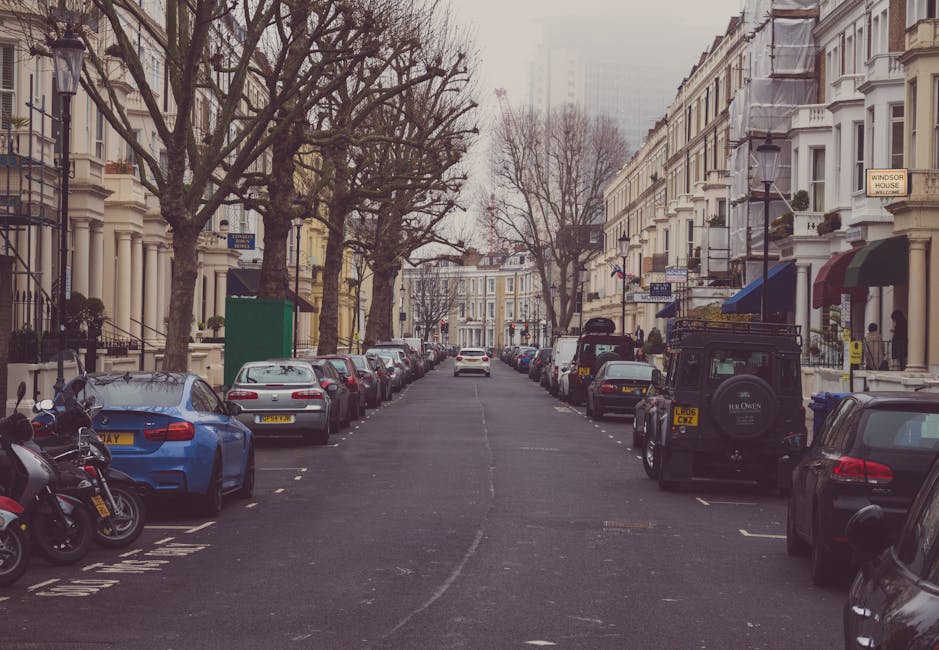
Moving in and out of Warwick Avenue and the surrounding Maida Vale streets can be deceptively tricky. On a map, it may look straightforward. In real life, you are dealing with narrower road space, parked cars, busy local traffic, awkward front steps, and the kind of access issues that can turn a simple move into a slow one if you do not plan properly.
This guide gives you practical Warwick Avenue Maida Vale removals access tips for tight streets that actually help on moving day. Whether you are leaving a flat near the canal, moving into a mansion block, or organising a same-day job with limited parking, the goal is the same: reduce delays, protect your belongings, and make sure the van can work efficiently without unnecessary stress.
You will find a step-by-step approach, common mistakes to avoid, a simple checklist, and the kinds of access decisions that make a real difference in a neighbourhood where every minute and every metre counts.
Why Warwick Avenue Maida Vale removals access tips for tight streets Matters
In a compact part of London, access can be the difference between a tidy, controlled move and a day filled with avoidable friction. Warwick Avenue is close enough to central London to feel busy, yet residential enough to include side streets, period properties, and parking constraints that do not always play nicely with large vehicles.
Tight street access matters because removals are not just about loading boxes. The real work often happens in the space between the front door and the van. If the van cannot stop safely, if there is nowhere to stage furniture, or if the building entrance is awkward, the whole process becomes slower and more physically demanding.
That is why local knowledge helps. A move on a wide suburban road and a move near Warwick Avenue are not the same job. The best approach is to plan for the street you actually have, not the street you wish you had.
If you want a broader overview of available services before you choose your moving setup, the services overview is a useful place to start. You can also review the company's about us page if you want to understand the team and their approach to local removals.
How Warwick Avenue Maida Vale removals access tips for tight streets Works
Good access planning is a chain of small decisions. You assess the street, choose the right vehicle, decide where the van will stop, and work out how items will move from property to vehicle in the fewest safe steps.
In practice, the process usually looks like this:
- Review the property and the street - look at road width, bend points, parking patterns, loading restrictions, and whether the building is on a corner or in a mews-style layout.
- Identify the true lifting distance - measure or estimate the route from the front door to the vehicle, including stairs, entry halls, and any turn that makes carrying bulky items harder.
- Choose a vehicle that fits the access - a smaller van may be quicker overall than a larger one that cannot stop close enough to the entrance.
- Plan the sequence of loading - heavier, awkward items should go first or be staged so they do not block the route.
- Build in flexibility - in busy streets, another car may take the space you expected to use. A plan B is not optional; it is normal.
For many Maida Vale properties, the most effective removals setup is not the biggest vehicle, but the best-matched one. That is why options such as man with a van in Maida Vale, man and van services, or a dedicated removal van in Maida Vale can be worth comparing carefully.
It is also worth remembering that access is not just about the road outside. Narrow staircases, basement flats, shared entrances, and awkward internal corridors can be just as limiting as the street itself.
Key Benefits and Practical Advantages
Getting the access plan right brings more than convenience. It affects time, safety, cost control, and the condition of the furniture or boxes being moved.
- Fewer delays - the team spends less time repositioning the van or carrying items from a long distance.
- Reduced handling risk - shorter carry routes usually mean fewer chances for accidental knocks, scrapes, or drops.
- Better scheduling - you are less likely to overrun your moving slot or clash with neighbours, lifts, or permit timings.
- Lower stress - everyone works more calmly when the access plan is realistic.
- Improved cost efficiency - time lost to poor access can quietly inflate a moving day; good planning helps keep the job focused.
There is also a practical benefit people sometimes miss: a tight, well-managed move often creates a better first impression with building managers and neighbours. Nobody enjoys a van blocking the wrong stretch of road for longer than necessary.
If your move involves larger items, it can help to look specifically at furniture removals in Maida Vale, especially where wardrobes, beds, or dining tables need careful handling through narrow access points. For pianos or particularly delicate items, specialist support such as piano removals in Maida Vale becomes even more relevant.
Who This Is For and When It Makes Sense
This advice is useful for a wide range of movers, but it is especially relevant if any of the following apply:
- You live in a flat, mansion block, or converted property with shared access.
- Your street has heavy parking demand, making curb space unpredictable.
- You are moving bulky furniture, fragile items, or more than a few boxes.
- You are on a tight schedule and want the move completed in one efficient run.
- You are arranging a same-day or short-notice move and cannot afford trial and error.
This is also relevant for landlords, estate agents, and office managers arranging removals in the local area. The access issue changes slightly depending on the property type, but the underlying principle stays the same: know what the van can do before it arrives.
For flat-based moves, flat removals in Maida Vale are often the closest match to Warwick Avenue-style access challenges. For larger family homes, house removals in Maida Vale may require a different vehicle size and a more detailed route plan.
Step-by-Step Guidance
Here is a practical way to prepare for a move where street access is tight and every detail matters.
1. Check the street from both directions
Do not only look at the front of the property. Walk the street if you can. Check whether one side has resident parking, whether corners are narrow, and whether there are any obstacles such as scaffolding, bins, or low trees. A quick look can reveal why a "straightforward" stop is actually awkward.
2. Measure the walking distance to the van
Even a short carry distance becomes a factor when you are moving a sofa, a wardrobe, or stacked boxes. If the van must park several doors away, the job may need extra labour time or a different loading sequence.
3. Confirm building access details
Ask about stairs, lifts, entry codes, concierge rules, and access windows. If you are in a managed building, check whether there are restrictions on when the van can stop at the front or whether loading has to happen from a rear entrance.
4. Decide what should be dismantled in advance
Some items simply travel better in pieces. Beds, table legs, and shelving units can often be taken apart before moving day to make tight access much easier. This is one of those unglamorous jobs that pays off immediately.
5. Choose the right loading strategy
Place the items you will need first closest to the exit. Keep small boxes grouped together. Use clear labels. If the access route is narrow, a tidy loading sequence helps the team avoid backtracking.
6. Reserve a sensible parking and stopping plan
If the space directly outside the property is likely to be unavailable, think about alternative stopping points nearby. A slightly longer carry route is often better than forcing a van into a space that causes obstruction or prevents doors from opening properly.
7. Build in buffer time
In a place like Warwick Avenue, one unexpected delivery van or a blocked bay can change the rhythm of the day. A short buffer is not wasted time; it is practical protection against the sort of small delay that can snowball.
If you are comparing types of providers, the choice between removals in Maida Vale and a more flexible man with van Maida Vale setup often comes down to how tight the access is and how much furniture you need moved in one go.
Expert Tips for Better Results
These are the kinds of practical improvements that make a noticeable difference on the day.
- Use a smaller vehicle when access is uncertain. It sounds obvious, but a van that can stop closer to the door often saves more time than a larger one can. You are buying efficiency, not just volume.
- Stage items by room before the team arrives. When boxes are grouped properly, loading becomes quicker and less chaotic.
- Leave a clear path inside. Narrow hallways are easier to work with when shoes, plants, bins, and loose items are moved out of the way early.
- Protect corners and edges. Door frames, skirting boards, and stair rails are common contact points in tight properties.
- Expect a short carry to feel longer. A route that looks manageable with one box becomes much slower with a sofa or mattress. That is just reality.
- Speak up about awkward items. If something is heavy, fragile, or unusually shaped, say so early. The best solution is the one planned before the lift starts, not after it gets stuck halfway through the doorway.
One practical tip that often gets overlooked: keep the first essentials box separate and easy to reach. In a cramped move, the last thing you want is to spend ten minutes hunting for chargers, kettle items, or important documents while everyone stands in a hallway.
For packing support, packing and boxes in Maida Vale can help if you want better materials and a more structured approach before moving day. If you need to reduce what is being moved immediately, storage in Maida Vale can also be useful for staged relocations.
Common Mistakes to Avoid
Most access problems are not dramatic. They are small planning misses that compound. Here are the ones worth avoiding.
- Assuming the van can park right outside. In tight streets, that is sometimes true, sometimes not. Never build the plan around hope.
- Ignoring loading and waiting restrictions. Even temporary restrictions can affect whether a stop is possible.
- Underestimating internal obstacles. Narrow stairs and tight corners often create more difficulty than the road itself.
- Leaving fragile items fully assembled. Large, awkward pieces are harder to move and easier to damage.
- Not preparing neighbours or building staff. A little communication goes a long way in shared properties.
- Choosing a service based on price alone. The cheapest quote is not always the best if access is difficult and the job needs experience.
To be fair, most people only realise how much access affects removals once they are standing in the doorway with a mattress and nowhere obvious to put it. That is exactly why advance planning matters.
If you want reassurance around provider standards and working practices, it is sensible to review the company's insurance and safety information and their health and safety policy before booking.
Tools, Resources and Recommendations
You do not need a box of specialist equipment to manage a tight-street move well, but a few simple tools make a difference.
- Measuring tape - useful for checking furniture dimensions, stair widths, and doorway clearance.
- Phone photos or short videos - send these to your mover so they can assess access more accurately.
- Labels and markers - essential if items must be loaded in a specific order because of limited space.
- Furniture covers and blankets - helpful where walls, banisters, or door frames are close to the carry route.
- Padlocks or access codes - keep building permissions and access information ready for the moving team.
For moving decisions that need a quicker turnaround, a service such as same-day removals in Maida Vale can be practical, provided the access information is accurate from the start. If the move is office-related, office removals in Maida Vale may need extra planning around business hours and building entry rules.
You may also find it helpful to browse the site's blog for related local guides, or use the contact section to ask about access before booking.
Law, Compliance, Standards, or Best Practice
For removals in a built-up area, the main concern is usually not a complex legal issue but practical compliance and courtesy. Still, it matters.
In London, parking rules, loading restrictions, and local traffic conditions can affect what is possible on moving day. The exact arrangement depends on the street and local authority guidance, so it is sensible to check the current situation before relying on roadside stopping. If a permit, loading bay, or timed access is needed, that should be organised in advance where possible.
From a best-practice point of view, a professional mover should:
- assess access honestly rather than promising an unrealistic stop location;
- protect the property and surrounding areas during carrying and loading;
- communicate clearly about limitations and timing;
- handle items with appropriate care for the route and vehicle chosen.
It is also wise to check your booking terms so you understand expectations around arrival windows, access delays, and cancellations. For that, the site's terms and conditions page is relevant. If privacy or payment handling matters to you, the privacy policy and payment and security information are useful trust signals too.
Best practice here is simple: do not treat access as an afterthought. Treat it as part of the moving plan.
Options, Methods, or Comparison Table
Different move types work better in different access conditions. This comparison is a practical starting point.
| Option | Best for | Access advantage | Trade-off |
|---|---|---|---|
| Man and van | Smaller flats, lighter loads, flexible timing | Usually easier to position in tight streets | May not suit large household moves in one trip |
| Dedicated removal van | Medium to larger home moves | More capacity for organised loading | Can be harder to place on narrow roads |
| Full removals service | Complex moves, larger furniture, multiple rooms | Better for handling, protection, and coordination | May require more planning and space |
| Storage-first move | Staged relocations or delayed completion dates | Reduces pressure on a single access-heavy day | Requires an extra step and ongoing planning |
For many local residents, the simplest route is not the simplest service. A small, agile setup can be more effective than a larger one if the street is difficult. If your move is straightforward but access-sensitive, man with a van in Maida Vale is often a sensible option to consider alongside broader removal services in Maida Vale.
Case Study or Real-World Example
Imagine a one-bedroom flat move near Warwick Avenue with a shared entrance and a busy residential street outside. The client has a sofa, a bed frame, a desk, and around 20 boxes. The road is heavily parked, and the nearest legal stop is not directly outside the front door.
Instead of bringing a larger vehicle and hoping for the best, the mover confirms access in advance, chooses a van that can stop a little further down the street, and breaks the move into a clear sequence. Bulky items are dismantled the day before. Boxes are labelled by room. The client clears the hallway and keeps essentials separate.
On the day, the team works from a realistic stopping point rather than losing time trying to force a poor parking position. The result is a calmer move, less handling risk, and fewer interruptions. Nothing dramatic happens, which is usually a very good sign.
This kind of planning is especially valuable for local residents who are weighing up area-specific living considerations. If that interests you, the article on whether Maida Vale is a good place to live offers useful local context, while the piece on Maida Vale's history and character adds helpful background about the area itself.
Practical Checklist
Use this checklist a day or two before the move.
- Confirm the exact property address and entrance details.
- Check whether the van can stop close to the door or needs an alternative point.
- Measure large furniture and note anything that may need dismantling.
- Review stair widths, lifts, and any shared access rules.
- Clear hallways, landings, and doorways.
- Label boxes clearly by room and priority.
- Prepare parking or loading information if required.
- Tell the mover about fragile, heavy, or awkward items.
- Separate essentials you will need immediately after arrival.
- Keep contact details handy in case the plan needs quick adjustment.
Expert summary: for tight-street removals near Warwick Avenue, the best results usually come from matching the vehicle to the street, keeping the carry route short, and preparing the property so the team can work without avoidable friction.
Conclusion
Removing from Warwick Avenue or the surrounding Maida Vale streets does not have to be difficult, but it does reward planning. The tighter the access, the more important it is to think ahead about stopping points, load order, property layout, and the type of vehicle you choose.
The practical goal is simple: make the move safer, faster, and less stressful by removing surprises before moving day. If you do that, tight streets stop being a problem and start being just another detail in a well-managed job.
If you are comparing options, reviewing services, or simply want advice tailored to your property, it is worth speaking to a local team that understands these streets and can advise on the best approach for your move.
Get a free quote today and see how much you can save.