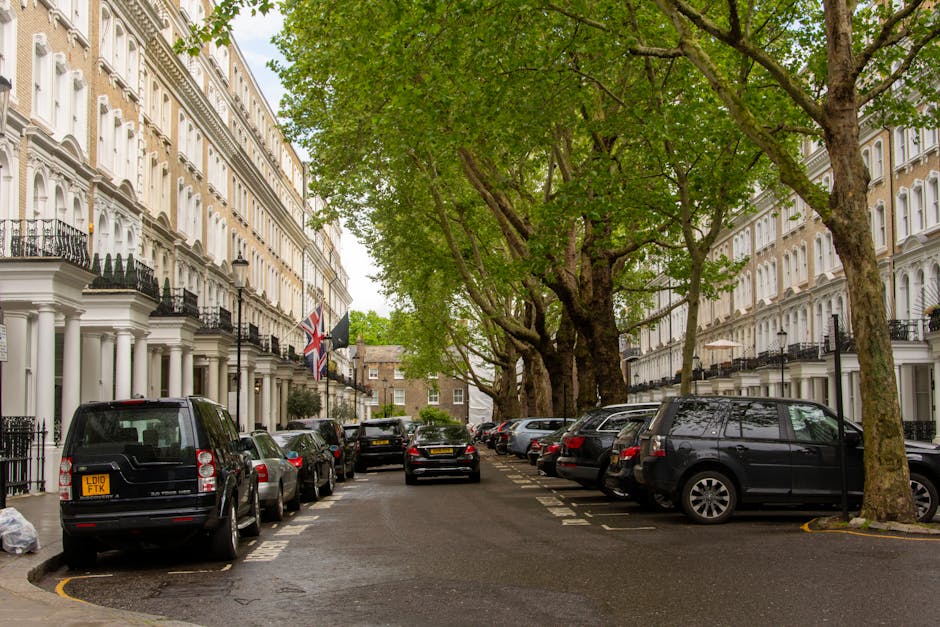
Maida Vale man and van parking restrictions under Westminster Council
Posted on 30/07/2026
If you are planning a move in W9, the parking side of things can be the part that quietly causes the biggest headache. Maida Vale streets can look calm and residential, but for a man and van job they often come with controlled parking bays, red routes, short loading windows, permit rules, and the occasional van-versus-space battle that seems to begin before breakfast. The good news? Once you understand Maida Vale man and van parking restrictions under Westminster Council, the whole job becomes much easier to plan, cheaper to run, and far less stressful.
This guide breaks down what the restrictions mean in practical terms, why they matter, how to prepare, and what to avoid on move day. It also explains the common access issues around narrow streets, loading bays, and permit expectations, plus the sensible steps that help you avoid delays, fines, and awkward last-minute reshuffles. If you are comparing removal options, it can also help to read through the wider services overview and the related advice on Westminster Council moving rules and loading permits.
Why Maida Vale man and van parking restrictions under Westminster Council Matters
Parking restrictions are not just a paperwork detail. In Maida Vale, they can shape the entire move. If a van cannot stop close enough to the entrance, the job slows down. If the driver has to keep moving every few minutes, labour costs can rise. If a bay is blocked or the vehicle is placed where it should not be, the risk of penalty notices increases. That is the part people often underestimate. They think the hardest bit will be the stairs, the sofa, or the boxes. Then the van arrives and suddenly the pavement is the real problem.
Westminster managed parking areas are designed to keep traffic flowing and to protect residents, but they can be unforgiving for moving day logistics. A move that should take a few hours can easily stretch if the vehicle needs to be repositioned several times. In our experience, the biggest savings come from preventing those small, boring delays. Boring, yes. Expensive? Also yes.
This matters even more in streets where space is tight or where there is a mix of resident bays, pay-and-display areas, permit controls, and loading-only periods. If you are moving from a flat on a busier road, the margin for error is tiny. That is why many people lean on a local man and van service in Maida Vale that already understands the layout and timing pressure.
Expert summary: parking restrictions in Maida Vale affect time, access, cost, and compliance all at once. Treat them as part of the move plan, not an afterthought.
How Maida Vale man and van parking restrictions under Westminster Council Works
The exact restrictions depend on the street, the type of bay, and the time of day. That sounds obvious, but it is the key point. One road may allow short loading, another may be resident permit only, and another may have double yellow lines where stopping is restricted except for loading if conditions permit. The practical result is that a legal stop for a move is not always the same as a convenient stop.
For a man and van booking, the working logic is usually this:
- Identify the nearest lawful stopping point to the property.
- Check whether loading is allowed and for how long.
- Confirm whether a parking bay, permit, or dispensation is needed.
- Plan the arrival time to match the allowed window.
- Keep the van positioned so the crew can move items efficiently.
That process sounds simple on paper. In reality, small things interfere: another vehicle is already in the bay, a resident is returning home, the lift is slow, or the route from van to front door is longer than expected. A move on Warwick Avenue is not the same as a ground-floor collection on a quieter side street, and the details matter. If your move has a tight access angle, this practical read on tight-street access tips around Warwick Avenue is worth a look.
There is also the distinction between stopping to load and parking for longer-term waiting. Drivers sometimes assume a few minutes is harmless. Sometimes it is. Sometimes it is not. To be fair, that grey area is where people get caught out, especially when the van is left unattended while items are being carried downstairs.
If your move includes a flat, stairs, or a narrow entrance, the parking location becomes part of the moving route itself. The best move plans in Maida Vale treat the street like another room in the house. Slightly awkward, but true.
Key Benefits and Practical Advantages
Getting parking right is not just about avoiding trouble. It creates a better move overall. A well-planned stop means the team can work faster, carry less distance, and keep the energy up. It also reduces the odds of damage from repeated lifting across a longer route. That may not sound dramatic, but anyone who has hauled a wardrobe past a second parked car and a tight kerb will know what I mean.
- Shorter loading times because the van is closer to the entrance.
- Lower risk of fines or enforcement issues when the vehicle is placed lawfully.
- Less lifting distance, which helps with heavy furniture and fragile boxes.
- Better cost control because the crew spends less time waiting or repositioning.
- Less stress for you, which is not a luxury on moving day; it is practical value.
There is also a subtle benefit that people forget: it makes the team look calm and organised. That matters. A move feels smoother when the van is where it should be, the route is clear, and nobody is hovering on the pavement trying to decode a sign that may as well be written in riddles.
If you are comparing move types, the parking side is often easier on smaller or more flexible jobs. For bigger home moves, it becomes more important to consider support like house removals in Maida Vale or flat removals in Maida Vale where the planning can include access, labour, and vehicle positioning together.
Who This Is For and When It Makes Sense
This topic is for anyone arranging a move in Maida Vale where a van must stop close to a property. That includes flat moves, student moves, furniture collections, office shifts, last-minute same-day bookings, and those slightly chaotic "we need it gone today" situations. It also applies if you are moving something bulky like a bed frame, piano, sofa, or heavy appliances. The van needs room, and Maida Vale does not always hand that over easily.
It makes most sense when:
- you live on a street with controlled parking or resident permits;
- you have a basement, upper-floor, or walk-up flat;
- the move needs to be done quickly to avoid double-handling;
- you have only one vehicle slot to work with;
- you are trying to keep the job within a tighter budget;
- you want to reduce friction with neighbours or parking enforcement.
It is also useful for renters, landlords, estate agents, and anyone booking on behalf of someone else. A surprising number of parking mistakes happen because one person assumes another person sorted the stopping arrangements. That little gap in communication is enough to derail the whole thing.
For first-time movers, the practical advice in booking mistakes to avoid for first-timers is a sensible companion read, especially if you are still working out what you need from the service.
Step-by-Step Guidance
Here is the simplest way to plan around parking restrictions without overcomplicating the job.
- Check the street layout early. Look at the building entrance, bay markings, any yellow lines, and whether the van can stand close enough for safe unloading.
- Identify the likely loading point. Do not assume the most obvious spot is legal. The closest space is not always the right one.
- Confirm timing. Some locations are manageable at one time of day and awkward at another. Morning can be easier. Sometimes late afternoon is a mess. Depends on the road.
- Match the vehicle to the access. A smaller van may be easier for a narrow street, while a larger vehicle could create more risk than it solves.
- Build in buffer time. If the road is tight, add extra time for a reposition or a short walk from the nearest legal stop.
- Prepare the load before the van arrives. Boxes stacked, furniture disassembled where possible, doorways clear. That way the legal stop window is used properly.
- Keep communication open. The driver and the customer should know exactly where the van is meant to stand and what happens if the first spot is taken.
One practical tip: if you are unsure whether the closest bay is suitable, do not wait until the van is already outside the building. Decide before arrival. That one decision can save a lot of awkward standing around, which nobody enjoys. Nobody.
And if your move is time-sensitive, a service like same day removals in Maida Vale can be useful, but only if parking is planned with extra care. Last-minute jobs are the ones most likely to punish a sloppy parking assumption.
Expert Tips for Better Results
Once you understand the basics, the next step is to make the move cleaner and less rushed. A few experienced habits make a big difference.
- Choose the smallest practical vehicle. Don't over-van the job. A huge vehicle can create more access problems than it solves.
- Use a front-door to van path. Keep the route as straight and short as possible. Even a few extra metres matters when there are multiple trips.
- Pre-label the awkward items. If there is a heavy wardrobe, mirror, or fragile lamp, flag it first so the crew can plan the carry.
- Take a quick street photo before the move. It helps you remember the bay layout, the sign, and any unusual restrictions. Handy if there is a dispute later.
- Coordinate with neighbours when needed. A polite heads-up can prevent someone parking in the only workable space just before arrival.
- Pack with access in mind. If the van has to stop far away, lighter boxes and fewer loose items make life much easier.
If you are moving furniture, especially bulky or awkward pieces, it is worth reading the guidance on furniture removals in Maida Vale and, for tighter interiors, sofa and stair removal solutions for narrow flats. Sometimes the parking problem is really an access problem wearing a parking hat.
And yes, one more thing: if a road looks simple, assume it is trickier than it looks. London loves a surprise. A little mean, maybe, but useful to remember.

Common Mistakes to Avoid
The biggest mistakes are usually not dramatic. They are small, avoidable, and annoyingly expensive.
- Assuming loading is automatically allowed. It often is not, at least not in the way people expect.
- Leaving parking planning until the van arrives. That is how good schedules become chaotic ones.
- Ignoring street signs and bay markings. They are not decorative.
- Booking a large vehicle for a tight road. Bigger is not always better in Maida Vale.
- Not allowing for other vehicles. A space may exist on paper but not in practice.
- Forgetting the return journey. If the van needs to leave and come back, the road may not be as available later.
- Underestimating stair time. If you are on a high floor, the parking issue and the carrying issue add up fast.
One of the most common patterns we see is this: people focus on the contents of the move and forget the street context. Then the job runs longer, and frustration rises. Not ideal, obviously.
For a deeper look at hidden price pressures and add-ons, the article on hidden charges before booking is helpful, especially if parking delays could affect the final cost.
Tools, Resources and Recommendations
You do not need a pile of tools to manage parking restrictions well, but a few practical resources help enormously.
- Street view or a recent on-foot check. Useful for confirming whether the van can stop near the door.
- Property access notes. Keep a simple list of gate codes, entry steps, lift details, and any loading quirks.
- Move-day timetable. A rough schedule with arrival, loading, travel, and buffer time keeps everyone on the same page.
- Contact details for the building or concierge. Handy if access changes at the last minute.
- Packaging supplies. Good boxes, tape, blankets, and labels reduce the time spent at the kerb.
It is also worth checking the broader support pages if you are still shaping the move. The site's packing and boxes page can help you prepare correctly, and removals in Maida Vale gives a wider view of what a move can include. If storage becomes necessary because parking or timing is tight, the storage in Maida Vale page may also be useful.
For local context and a feel for the area itself, these reads are helpful too: a journey through Maida Vale and a local view on whether Maida Vale is a good place. They are not parking guides, but they do help you understand the neighbourhood rhythm, which matters more than people think.
Law, Compliance, Standards, or Best Practice
Because parking restrictions touch on local traffic control and enforcement, it is safest to work to the actual road signs and the current rules that apply on the day. That means checking the bay type, observing any loading conditions, and not assuming that "it was fine last time" means it is fine now. Councils can adjust restrictions, and streets can be managed differently from one side to another. Best practice is to treat the sign as the final word at the kerb.
For moving work, a responsible approach also includes keeping the vehicle safe, avoiding blocked access, and making sure the crew are not put in a position where they have to rush into unsafe lifts because the van is in the wrong place. This connects directly with ordinary industry expectations around health and safety policy and insurance and safety. In plain English: park sensibly, load safely, and do not create a risk just to save one minute.
Best practice also means being honest about what the road can support. If a vehicle cannot safely stop for long, plan a different point or a smaller van. If a resident bay is unavailable, do not improvise. If the move includes waste, avoid leaving anything behind in the street; the related article on waste disposal rules and council fines is a good reminder that move day and compliance often go together.
Key takeaway: do the simple legal things well. Follow the signs, keep the stop short and lawful, and build the moving plan around the street, not against it.
Options, Methods, or Comparison Table
There are usually a few ways to handle a Maida Vale move, and the best option depends on how tight the street is, how much you are moving, and how much time you have available.
| Approach | Best for | Pros | Trade-offs |
|---|---|---|---|
| Standard man and van with planned kerbside access | Small to medium moves on manageable streets | Flexible, efficient, often cost-effective | Still depends on legal stopping space |
| Pre-planned loading with buffer time | Busy streets and controlled parking areas | Reduces delay and parking stress | Needs more organisation before the move |
| Smaller vehicle for tighter access | Narrow roads and awkward corners | Easier positioning, less obstruction | May require more trips |
| Full removal service with access planning | Flats, larger homes, and complex moves | More support for stairs, timing, and parking | Usually more involved than a simple van hire |
If the job is straightforward, a local man with a van in Maida Vale may be the neatest fit. If the property is a bit more complex, a broader removal services in Maida Vale approach can make the access side much less stressful. Honestly, the right model is the one that matches the street rather than fighting it.
Case Study or Real-World Example
Here is a simple real-world style example based on the kind of move people often do in Maida Vale.
A tenant moving out of a first-floor flat on a residential street assumed the van could stop outside for half an hour. On the day, the nearest space was already occupied, and the only available stopping point was further down the road. The team adjusted, but the carry route doubled, and the move took longer than planned. Nothing dramatic happened, thankfully. No disaster. But the job became slower, and the customer felt rushed when they really should not have had to.
In a better-planned version of that same move, the customer had checked the road layout the night before, prepared a short loading window, and stacked the boxes near the front door. The van stopped legally at the nearest workable point, the heavier items were loaded first, and the move stayed on schedule. Same street, same flat, very different experience.
That is the point, really. Parking planning does not change the postcode, but it changes the whole day.
For similar access-heavy jobs, these local guides are helpful: the Elgin Avenue flat move checklist, Sutherland Avenue parking and permit advice, and Little Venice canal move packing guide. Different streets, same principle: know your access before the van rolls up.
Practical Checklist
Use this checklist before move day. It is simple, but it catches a lot of the avoidable trouble.
- Check the exact street and entrance access.
- Read the nearest parking and loading signs.
- Confirm whether the van can stop legally near the property.
- Allow extra time for controlled parking or busy roads.
- Tell the driver about stairs, lifts, gates, or narrow hallways.
- Prepare boxes and fragile items before the van arrives.
- Keep heavy items grouped and ready to go first.
- Have building access details and contact numbers available.
- Plan for a backup stop if the first space is taken.
- Check whether storage or a second trip might be needed.
Quick reminder: the best move days are the ones that feel slightly uneventful. That is a compliment. Uneventful is good here.
Conclusion
Maida Vale parking restrictions do not have to turn a move into a stressful puzzle. Once you understand how Westminster Council controls stopping, loading, and waiting on local streets, you can plan a van arrival that actually works. That means less waiting, fewer headaches, and a much better chance of finishing on time. It is not glamorous work, but it is the kind of detail that separates a smooth move from a messy one.
If you are organising a local relocation, the smartest approach is to treat parking as part of the moving service itself. Check the street, prepare the load, give yourself a buffer, and choose the right support for the property type. If you want to explore the wider moving options, browse the man with van service, review pricing and quotes, or learn more about the team on the about us page. The calmer the plan, the easier the day.
Get a free quote today and see how much you can save.
And if all you do now is check the street signs a little earlier than planned, that alone may save the day. Sometimes that is enough.